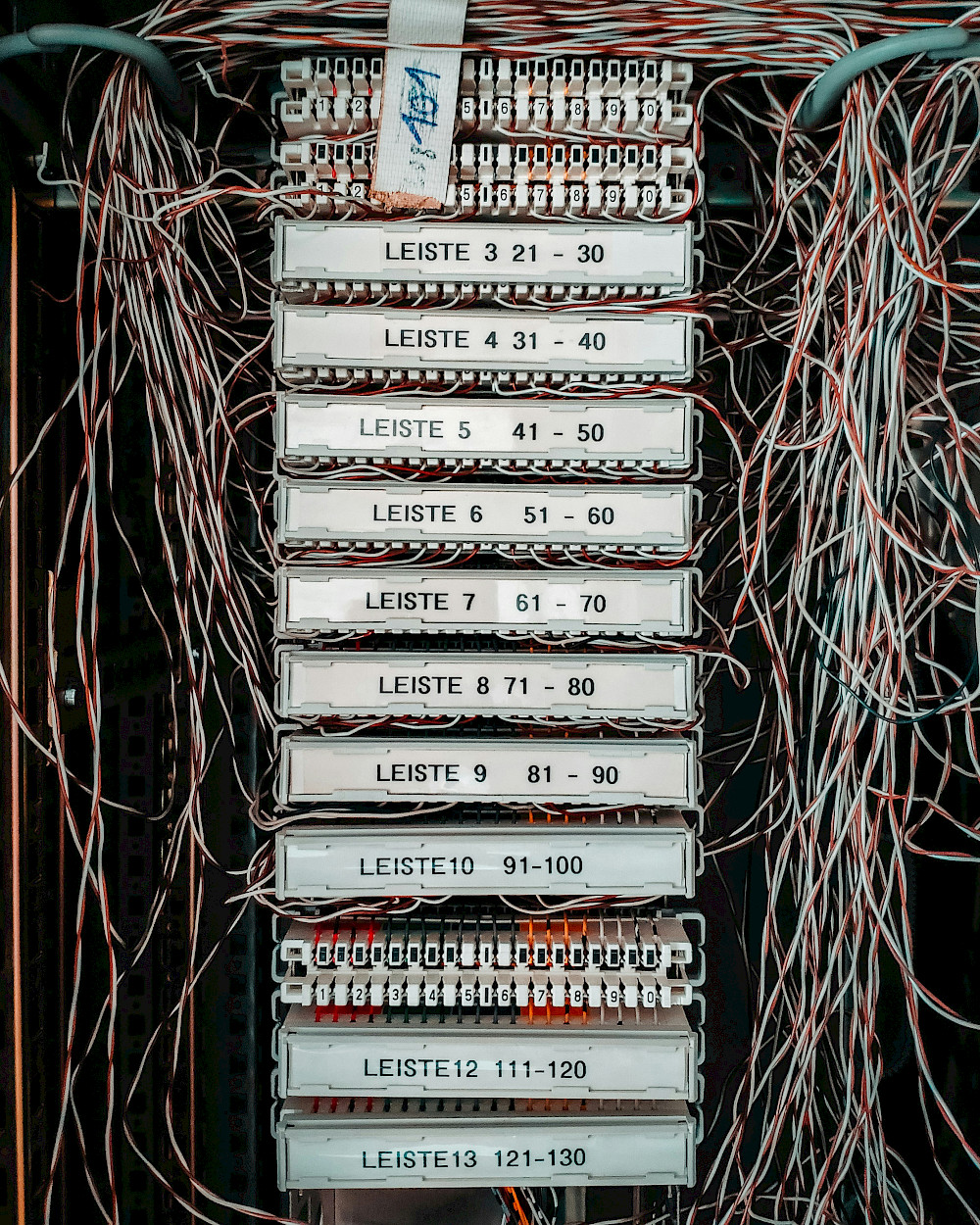

The Public Switched Telephone Network (PSTN) is a legacy system of analogue, circuit-switched telephone lines dating back to the late 1800s. Known by names like landlines, Plain Old Telephone Service (POTS), or fixed-line telephones, PSTN has long enabled real-time communication across vast distances. However, with the rise of digital technologies, PSTN is being phased out.
Openreach, the UK’s telecom infrastructure provider, has announced that all PSTN services will be discontinued by 31 January 2027. This includes:
Since September 2023, BT has stopped selling traditional phone lines, and no new analogue lines are being installed. The switch-off supports the UK government's goal of gigabit-speed broadband access for 85% of premises by 2027.
While most discussions focus on voice telephony—home landlines, office phones, PBX systems—many non-voice devices will also be impacted:
Contact us for further information: pstn@hostedcompanies.co.uk - 0203 857 3843These devices rely on analogue lines and will cease to function unless upgradedto digital alternatives.
Under EN 81-28 (2003) standards, all UK passenger lifts installed since 1999 must have an emergency alarm system. These systems use auto-diallers connected to PSTN lines to provide two-way communication during emergencies.
Key risks:
If your lift’s emergency alarm fails a 3-day line test, it will be declared non-compliant and shut down.
GSM (Global System for Mobile Communications) offers a robust solution:
Managed SIM services are essential to avoid issues like expired credit or accidental deactivation—problems that may go unnoticed until a real emergency occurs.
Upgrading to GSM may require:
Contact us for further information: pstn@hostedcompanies.co.uk - 0203 857 3843. However, GSM is significantly more cost-effective than maintaining a commercial phone line. Over time, savings will offset initial setup costs, while ensuring compliance and passenger safety.